
What Is Link Building and Why Does It Still Matter?
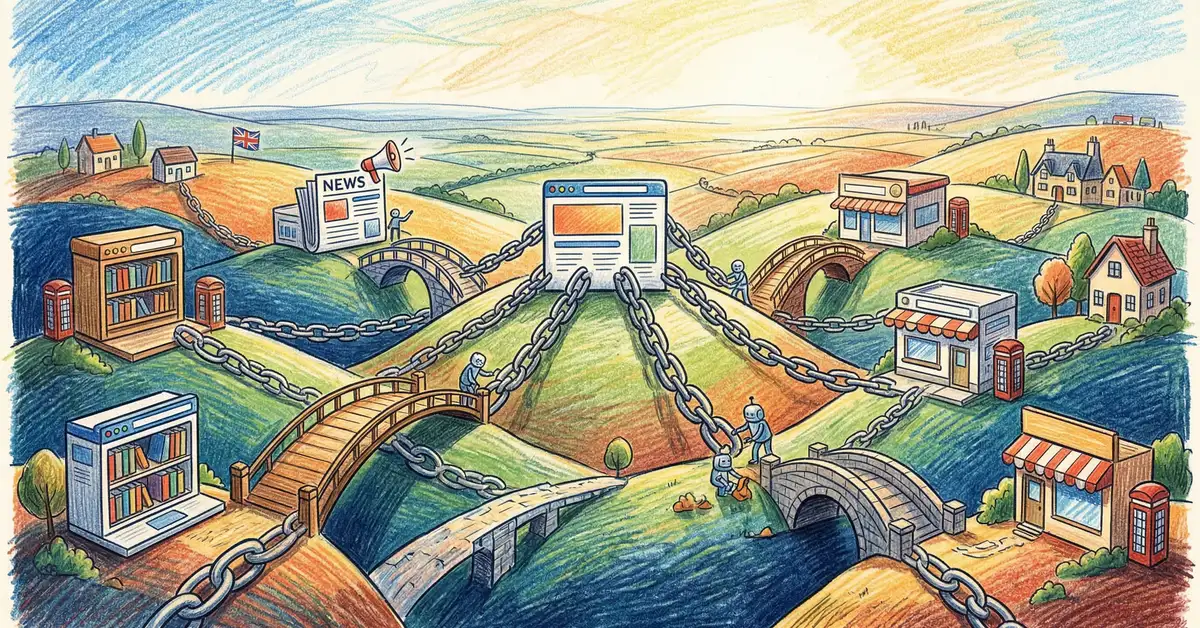
Link building is the process of earning hyperlinks from other websites to your own, and it remains one of the most influential ranking factors in search engine optimisation. In 2024, 74% of SEO professionals ranked backlinks as the second most important ranking factor after content quality, according to HubSpot's State of Marketing Report. For UK B2B businesses competing in crowded markets, a strategic approach to link building can be the difference between page one visibility and digital obscurity.
Google's algorithms have evolved significantly — particularly following the March 2024 core update and subsequent spam-focused refinements — but the fundamental principle holds: links from authoritative, relevant websites signal trust and credibility to search engines. What has changed is how those links need to be earned. The days of bulk outreach and directory submissions are over. Modern link building demands genuine value creation, relationship building, and strategic thinking.
Key Takeaway
Backlinks remain a top-two ranking factor, but Google now heavily penalises manipulative link practices. Quality and topical relevance matter far more than volume — a single link from an authoritative, relevant publication can outperform dozens of generic directory listings.
74%
SEO Professionals
Rank backlinks as 2nd most important factor
49–60
Referring Domains
Average for top-10 ranking results
5–8×
Higher Authority
From topically relevant links vs generic
Sources: HubSpot State of Marketing Report 2024, Ahrefs Backlink Analysis 2023–2024, SEMrush 2024 Backlink Study
How Do You Assess Whether a Link Is Worth Pursuing?
Not all backlinks carry equal weight. Google's algorithms now evaluate links based on multiple quality signals, and understanding these signals is essential before investing time and resources in any link building campaign. The shift from quantity to quality means that a focused strategy targeting 10 high-quality links will consistently outperform campaigns that generate hundreds of low-value ones.
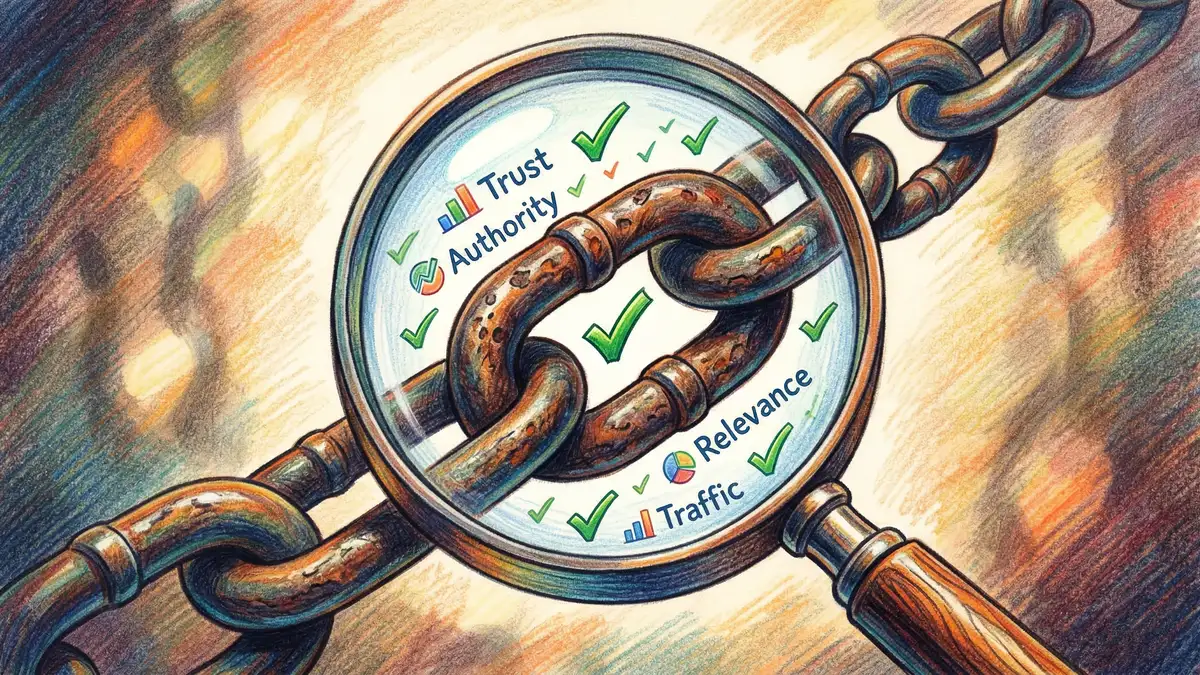
The first consideration is topical relevance. A link from a website that covers topics closely related to your industry carries three to five times more authority than one from a generic business directory. Google's algorithms now map semantic relationships between linking and linked sites, rewarding contextual relevance above raw domain authority scores. For a UK accountancy firm, a link from Accounting Web or the Institute of Chartered Accountants carries far more weight than one from a general business blog with a higher domain rating.
Editorial standards matter significantly. Links embedded within well-written, original content — particularly content with a credible author bio — carry more weight than those placed in generic resource lists or sidebar widgets. Google's E-E-A-T framework (Experience, Expertise, Authoritativeness, Trustworthiness) now extends to evaluating the quality of the linking page itself, not just the linking domain.
| Quality Signal | What to Look For | Red Flags |
|---|---|---|
| Topical Relevance | Site covers your industry or closely related topics | Site covers unrelated topics or publishes on everything |
| Domain Authority | DR/DA 30+ with genuine organic traffic | High DR but no organic traffic (likely manipulated) |
| Editorial Quality | Original content, named authors, editorial process | Thin content, no author info, accepts any submission |
| Link Placement | Contextual link within body content | Footer, sidebar, or generic resources section |
| Traffic | Site receives genuine organic and referral traffic | Near-zero traffic despite many published pages |
Which Link Building Strategies Actually Work for UK Businesses?
The most effective link building strategies in the current landscape prioritise creating genuine value — whether through original content, expert commentary, or practical tools. At Whitehat SEO, we focus on approaches that build lasting authority rather than chasing short-term metric improvements. Here are the strategies delivering consistent results for UK B2B organisations.
Digital PR and Linkable Asset Creation
Digital PR has become the gold standard for earning high-quality backlinks at scale. The approach involves creating newsworthy content — original research, data studies, industry surveys, or interactive tools — then promoting it to journalists and editors. UK digital PR campaigns typically cost between £200 and £800 per link, depending on sector and outlet tier, but the links earned tend to be from high-authority news sites with genuine editorial oversight.
The key to success is creating content that genuinely serves the journalist's audience. A UK logistics company, for instance, might commission a survey on supply chain challenges post-Brexit — data that trade publications would naturally want to reference. The content earns links because it provides unique value, not because someone asked for a favour.
Content-Led Link Building
Original research, comprehensive guides, and data-driven studies naturally attract links from other content creators who reference your findings. This approach has the highest long-term ROI because a single well-researched asset can continue earning links for years. At Whitehat SEO, we've seen individual research pieces earn 15–30 referring domains over 12 months without any additional outreach after the initial promotion.

Broken Link Building
This technique involves finding broken links on relevant websites and suggesting your content as a replacement. Success rates vary between 5% and 15% depending on how well your replacement content matches the original, but it provides genuine value to the website owner by helping them fix user experience issues. Tools like Ahrefs and Screaming Frog make identifying broken link opportunities straightforward.
Journalist Request Platforms

Platforms like Connectively (formerly HARO), Response Source, and Qwoted connect subject matter experts with journalists seeking quotes and commentary. For UK businesses, Response Source is particularly valuable as it focuses on the UK media landscape. Average response rates sit between 5% and 12%, but successful placements typically result in links from high-authority news outlets — the kind that would be difficult to earn through cold outreach alone.
The critical success factor is speed and relevance. Journalists work to tight deadlines, and generic responses get ignored. At Whitehat SEO, we recommend preparing template responses for common industry topics so you can respond within hours of a request, adding specific data points or original insights that make your quote more compelling than competitors.
Unlinked Brand Mention Reclamation
If your brand, products, or team members are mentioned online without a link, outreach to request one is often the easiest link building win available. Tools like Ahrefs Content Explorer and Google Alerts can identify unlinked mentions. Because the website already knows and trusts your brand enough to mention it, conversion rates for these requests typically reach 20–40%, making it one of the most efficient strategies by time invested.
High-Effort, High-Reward
Digital PR, original research, and comprehensive data studies require significant upfront investment but earn the strongest links — typically from DA 50+ publications. These links compound in value over time and are virtually impossible for competitors to replicate.
Low-Effort, Consistent Returns
Brand mention reclamation, broken link building, and journalist request platforms require less investment per link and deliver steady, reliable results. They're ideal for maintaining link velocity between larger campaigns.
How Much Should Link Building Cost in the UK?
Understanding the true cost of link building helps UK businesses set realistic budgets and avoid providers offering suspiciously cheap services. Pricing varies significantly depending on the acquisition method and the authority of the target publication. The average cost per link from UK digital PR campaigns sits between £200 and £800, while comprehensive monthly retainers from specialist agencies typically range from £1,500 to £5,000.
| Acquisition Method | Cost Per Link (UK) | Typical Authority | Risk Level |
|---|---|---|---|
| Digital PR | £200–£800 | DA 50–90 | Very Low |
| Content Marketing | £150–£500 | DA 30–70 | Low |
| Guest Posting (quality) | £100–£400 | DA 25–60 | Low–Medium |
| Journalist Requests | £50–£150 (time cost) | DA 40–90 | Very Low |
| Brand Mention Reclamation | £20–£80 (time cost) | Variable | None |
| Paid/sponsored links | £50–£500+ | Variable | High (penalty risk) |
Sources: UK Digital PR Agency Surveys 2023–2024, Ahrefs Cost-Per-Link Study 2024, SEMrush State of SEO Report 2024
Warning: The Hidden Cost of Cheap Link Building
If a provider promises links for under £30 each, they are almost certainly using private blog networks (PBNs), link farms, or paid placements that violate Google's guidelines. These links may show initial results, but Google's spam detection systems are increasingly sophisticated.
The reality: A single Google manual action for unnatural links can take 6–12 months to recover from and may permanently damage your domain's trust signals. We regularly see UK businesses come to us after being penalised by cheap link building services — the cost of recovery always exceeds what they saved.
How Long Before New Links Improve Your Rankings?
Link building is a long-term investment, not a quick fix. Most SEO professionals report that new links begin influencing rankings within four to eight weeks of being indexed, though the full impact may take three to six months to materialise. Link velocity also matters — acquiring links at a natural, steady pace produces more sustainable results than sudden spikes followed by inactivity.
Google's crawl and indexing cycles mean that a link needs to be discovered and processed before it affects rankings. High-authority sites are crawled more frequently, so links from major publications tend to have a faster impact than those from smaller sites. For UK B2B businesses running monthly link building campaigns, we typically see meaningful ranking improvements within the first three months, with compound gains accelerating over months four through twelve.
What Role Does AI Play in Modern Link Building?
Artificial intelligence has transformed several aspects of link building, from prospect identification to outreach personalisation. In 2024, 58% of agencies reported using AI tools for prospect identification and initial outreach drafting, according to the Content Marketing Institute. However, the relationship between AI and link building is more nuanced than simply automating the process.

AI excels at prospecting. Tools powered by machine learning can analyse thousands of websites to identify link opportunities based on topical relevance, domain authority, and content alignment — work that would take a human team days to complete manually. At Whitehat SEO, we use AI-assisted tools to build targeted prospect lists, then apply human judgement to prioritise and personalise our outreach.
AI falls short on relationship building. The most effective link building still depends on genuine human connections — understanding a journalist's beat, providing timely expert commentary, and building long-term relationships with editors and content creators. Fully automated outreach campaigns increasingly trigger spam filters and produce diminishing returns as recipients become more adept at identifying templated messages.
As AI-powered search grows — with platforms like Google's AI Overviews and ChatGPT search — the importance of strong backlink profiles may actually increase. These AI systems often use link-based authority signals to determine which sources to cite, making your link profile a factor in both traditional rankings and AI search visibility.
The Bottom Line
Use AI to accelerate research and prospecting, but keep human expertise at the centre of your outreach and relationship building. The best link building campaigns combine AI efficiency with genuine editorial value — earning links because your content deserves to be referenced, not because a bot asked for one.
How Should You Measure Link Building Success?
Effective measurement goes beyond counting the number of links acquired. At Whitehat SEO, we recommend tracking link building performance across three tiers: leading indicators that show campaign activity, concurrent metrics that reveal early impact, and business outcomes that demonstrate ROI.
Leading Indicators (Monthly)
Track outreach volume, response rates, and links acquired. Measure the average domain authority and topical relevance of new links. Monitor link velocity to ensure a natural, steady growth pattern.
Concurrent Metrics (Quarterly)
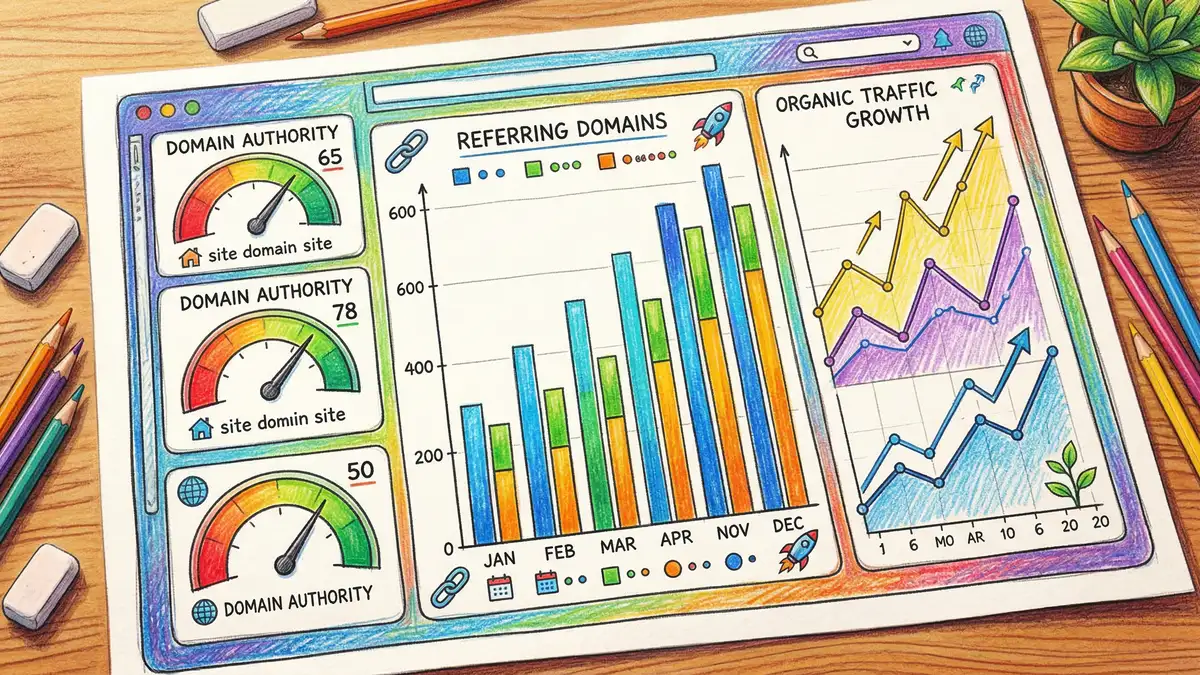
Monitor ranking movements for target keywords, growth in referring domains reported in tools like Ahrefs or SEMrush, and changes in domain authority or domain rating scores. These metrics show whether your link building is translating into improved search visibility.
Business Outcomes (6–12 Months)
Measure increases in organic traffic to target pages, conversion rate improvements from organic search, and ultimately the revenue attributable to pages that benefited from link building. Connect your SEO analytics framework to link building activity for clear ROI reporting.
What Are the Most Common Link Building Mistakes?
Even experienced marketers can fall into link building traps that damage rather than improve their search visibility. Understanding these common mistakes helps UK businesses avoid costly errors and focus their efforts on strategies that deliver sustainable results.
Over-optimised anchor text is one of the most frequent triggers for Google penalties. When a disproportionate number of backlinks use exact-match keyword anchors — for example, "best SEO agency London" — it signals manipulation to Google's algorithms. Natural link profiles contain a diverse mix of branded anchors, generic phrases like "click here" or "this article", partial-match keywords, and naked URLs. At Whitehat SEO, we recommend keeping exact-match anchors below 5% of your total link profile.
Ignoring link diversity is equally problematic. Building links exclusively from one type of source — whether that's guest posts, directories, or comment links — creates an unnatural pattern. Effective link building draws from multiple source types: editorial mentions, resource pages, industry publications, news coverage, and organic citations.
Neglecting existing relationships is perhaps the most wasteful mistake. Many UK businesses invest heavily in cold outreach while overlooking partners, suppliers, clients, and industry associations who would happily link to them. These warm relationship links are typically easier to earn, more topically relevant, and carry genuine editorial signals.
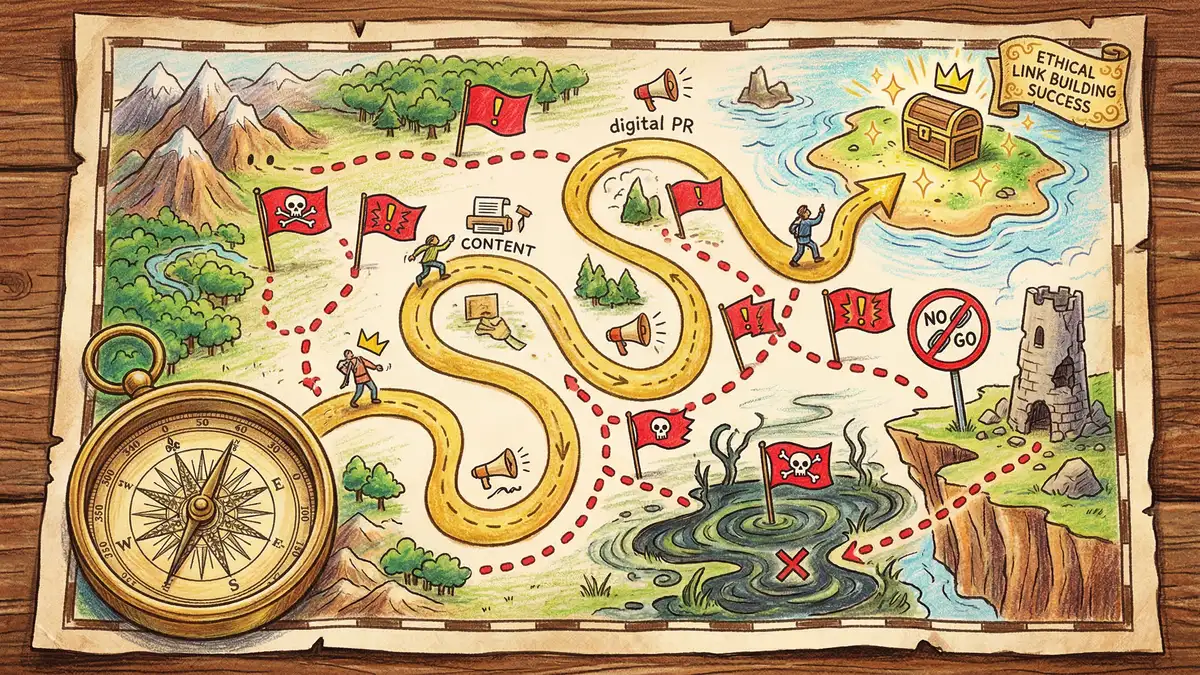
Finally, failing to track and disavow toxic links can undermine even the best campaigns. If your site has accumulated low-quality links from previous campaigns or negative SEO attacks, those toxic links dilute the authority you're building. Regular link audits — at least quarterly — using tools like Ahrefs, SEMrush, or Google's Disavow Tool help maintain a clean profile. UK businesses with an established web presence should prioritise an on-page SEO review alongside their link building to ensure they're building authority on a solid technical foundation.
How Do You Build a Link Building Strategy for Your Business?
A successful link building strategy starts with clear goals, an honest assessment of your current link profile, and a realistic understanding of your resources. For UK B2B businesses, we recommend a phased approach that builds momentum over time rather than attempting everything at once.
Start with a link audit. Use Ahrefs or SEMrush to analyse your current backlink profile — total referring domains, link quality distribution, anchor text ratios, and any toxic links that need disavowing. This baseline tells you where you stand and where the gaps are. If you need help with this process, our link building services include a comprehensive initial audit.
Identify your linkable assets. What content, data, tools, or expertise does your business have that others would naturally want to reference? If you lack linkable assets, creating them should be your first priority — before any outreach begins. This might mean commissioning original research, developing a useful calculator or tool, or creating the definitive guide for your niche.
Choose strategies that match your capacity. A small business with limited marketing resource might focus on brand mention reclamation and journalist request platforms — both deliver results with minimal time investment. Larger organisations with dedicated content teams can add digital PR campaigns and original research to their mix. The worst outcome is starting ambitious campaigns you can't sustain.
Build relationships, not just links. The businesses that succeed with link building over the long term are those that become genuinely useful sources for journalists, industry publications, and content creators. This means showing up consistently, providing genuine expertise, and thinking about what the linking site's audience needs — not just what you want to promote. When you approach link building as relationship building, the links follow naturally, and they're the kind of links that Google values most highly.
For a broader view of how link building fits within a comprehensive approach to organic search, explore our guide to ethical search optimisation — the foundation on which every successful link building campaign should be built.
Frequently Asked Questions
Is link building still important for SEO in 2026?
Yes. Backlinks remain one of the top two ranking factors alongside content quality. In HubSpot's 2024 State of Marketing Report, 74% of SEO professionals ranked backlinks as the second most important factor. What has changed is the emphasis on quality and relevance — Google's algorithms now reward fewer, high-quality links from topically relevant sources over large volumes of generic ones.
How many backlinks do you need to rank on page one?
There is no fixed number, as it depends on the competitiveness of your target keyword and the quality of your existing link profile. Ahrefs' analysis of over two million keywords found that top-10 results averaged 49 to 60 unique referring domains. However, a smaller number of highly relevant, authoritative links can outperform a larger number of low-quality ones.
What is the difference between white hat and black hat link building?
White hat link building earns links through genuine value creation — original content, expert commentary, digital PR, and relationship building. Black hat approaches use manipulative tactics like PBNs, paid links, link farms, and automated link schemes. Google actively penalises black hat link building, and recovery from penalties typically takes 6 to 12 months.
How much does link building cost in the UK?
Costs vary by method. UK digital PR campaigns average £200 to £800 per link earned. Monthly retainers from specialist link building agencies typically range from £1,500 to £5,000. Brand mention reclamation and journalist request platforms have lower direct costs, primarily requiring time investment of £20 to £150 per link in staff hours.
Can you do link building yourself or do you need an agency?
Many link building strategies can be executed in-house, particularly brand mention reclamation, journalist request platforms, and relationship-based outreach to industry partners. However, digital PR campaigns and large-scale content-led link building typically require specialist skills and established media relationships. Businesses often find the most effective approach is handling simpler strategies internally while partnering with a specialist for higher-value campaigns.
How do you know if a backlink is hurting your SEO?
Signs of harmful backlinks include links from sites with no organic traffic, sites covering unrelated topics, sites flagged as spam by tools like Ahrefs or SEMrush, and links with over-optimised anchor text. Regular quarterly audits using these tools help identify toxic links. Google's Disavow Tool allows you to distance your site from harmful links, though it should be used carefully — disavowing legitimate links can hurt your rankings.
Sources: HubSpot State of Marketing Report 2024, Ahrefs Backlink Analysis 2023–2024, SEMrush 2024 Backlink Study, SEMrush State of SEO Report 2024, Content Marketing Institute 2024, Google Search Central Blog 2024, DMA UK Report 2023, Moz Link Building Whitepaper 2024, Backlinko Ranking Factors Study 2023