
Published: December 24, 2025 | Updated: 21 May 2026
PPC stands for pay-per-click — a digital advertising model where you pay a fee each time someone clicks your ad rather than earning visits organically. UK businesses invest £16.9 billion annually in PPC advertising across Google Ads, Microsoft Advertising, LinkedIn, Amazon, and emerging platforms, with average costs ranging from £0.95 to £5.39 per click depending on industry and competition. PPC is the dominant performance marketing channel for UK B2B firms — 39% of B2B ad budgets now sit on LinkedIn alone — and the fastest way to drive qualified traffic when SEO timelines of 6-12 months are too slow. Explore our pay-per-click management services for UK businesses.
Key Takeaway
PPC (pay-per-click) advertising is a performance-based model where UK businesses pay only when someone clicks their ad. With £16.9 billion invested annually in UK search advertising and an average conversion rate of 6.96%, PPC delivers measurable ROI when campaigns are structured correctly. The key to success in 2025-2026 is embracing AI automation whilst maintaining strategic control over targeting and measurement.
Key Statistics
£16.9B
UK Search Ad Spend 2024
6.96%
Avg Google Conversion Rate
£0.95
UK Avg Cost Per Click
92.57%
Google UK Market Share
Sources: IAB UK Digital Adspend 2024, WordStream Benchmarks 2024
What does PPC mean? Pay-per-click vocabulary, definitions, and acronym explained
PPC stands for pay-per-click. In digital marketing, PPC means a paid advertising model where advertisers bid on keywords and pay each time a user clicks their ad — not for impressions, views, or ad placement. The term "PPC" is used interchangeably with "paid search", "search engine marketing" (SEM), and "pay-per-click advertising" — though strictly, SEM covers both PPC and organic search optimisation, whilst PPC refers narrowly to the auction-based, pay-on-click commercial model. PPC also differs from CPM (cost per thousand impressions) and CPA (cost per acquisition): if you pay only when a user clicks, it's PPC.
UK marketers also use "PPC" to cover paid-click campaigns outside search — including Microsoft Audience Network display, LinkedIn Sponsored Content, Amazon Sponsored Products, and pay-per-click affiliate networks. The defining feature is the cost model, not the platform: if the charge triggers on click, it's PPC. If you pay per thousand impressions (CPM) or per acquisition (CPA), it's a different model — even on the same platform.
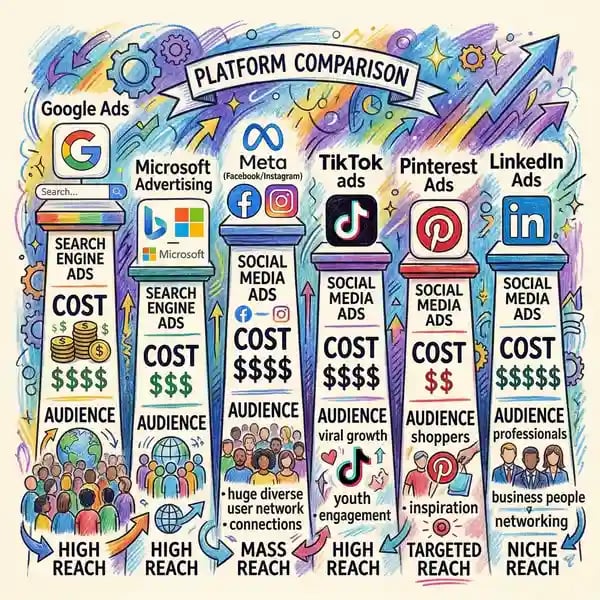
The most common UK PPC channels in 2026 are Google Ads (92.57% search market share), Microsoft Advertising (14.4% desktop share, B2B-strong), and LinkedIn Ads (39% of B2B budgets). Specialist PPC management firms like Whitehat's pay-per-click team typically run campaigns across all three for UK businesses with B2B or considered-purchase audiences.
How PPC Advertising Works
PPC operates on an auction-based system where advertisers bid on specific keywords relevant to their target audience. When someone searches for those keywords on platforms like Google or Bing, an instantaneous auction determines which ads appear and in what order. The cost you pay per click depends on your maximum bid, ad quality, and competition from other advertisers targeting the same terms.
Unlike traditional advertising, where you pay for ad placement regardless of results, PPC charges you only when someone actively engages with your ad by clicking through to your website. This performance-based model makes PPC particularly attractive for businesses seeking measurable ROI and direct attribution. Whitehat's digital marketing team helps UK businesses structure PPC campaigns that deliver qualified leads whilst optimising cost per acquisition.
The PPC Auction Process
User enters search query
Someone searches for keywords you're targeting
Auction triggers instantly
Search engine runs real-time auction among eligible advertisers
Ad Rank calculated
Platform evaluates your maximum bid × Quality Score
Ad positions determined
Higher Ad Rank wins better placement
You pay only on click
Charge occurs when user clicks your ad, not when it displays
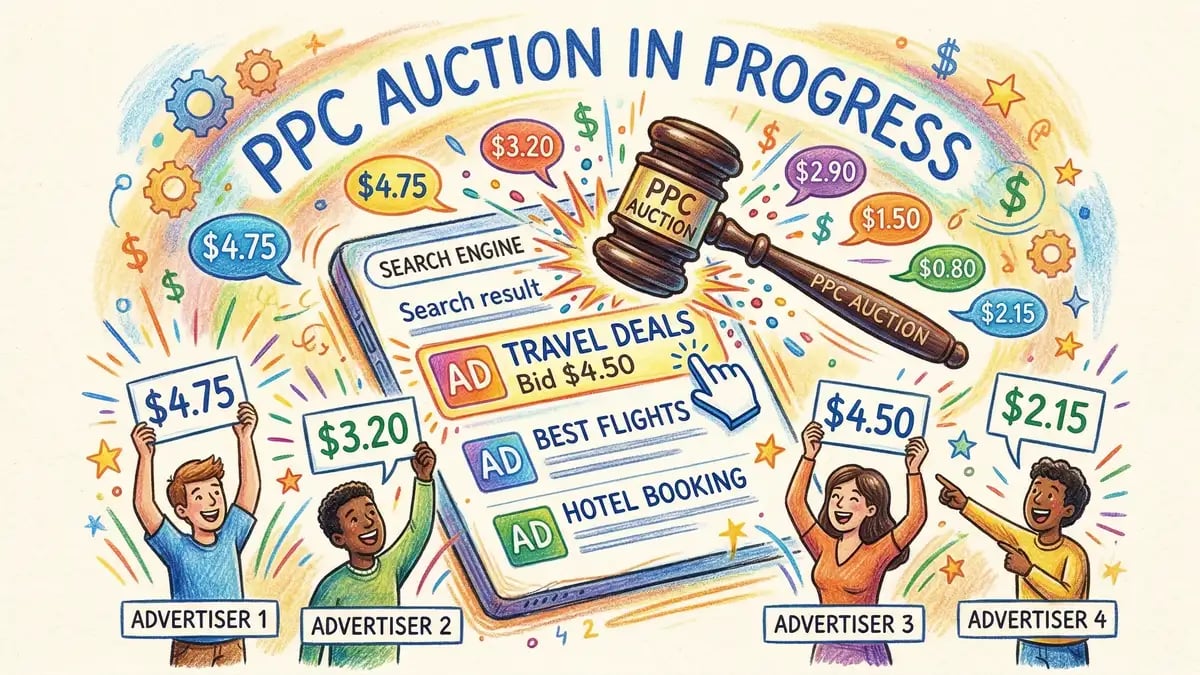
Quality Score plays a crucial role in PPC success. Google and Microsoft assign each keyword a Quality Score from 1-10 based on ad relevance, expected click-through rate, and landing page experience. Higher Quality Scores reduce your cost per click whilst improving ad position—meaning better ads cost less and perform better. This rewards advertisers who create genuinely useful, relevant content rather than simply outbidding competitors.
The UK PPC Market in 2026
The UK digital advertising market reached £35.53 billion in 2024, with search advertising commanding the largest share at £16.9 billion—representing 47% of total digital spend. Search advertising grew 12.8% year-over-year, significantly outpacing the broader market growth of 10.4%. The Advertising Association and WARC forecast continued expansion to £45.2 billion by 2025 and £47.8 billion by 2026.
This growth reflects fundamental shifts in consumer behaviour and business strategy. UK businesses now spend approximately 7× more on PPC than SEO services, recognising the immediate visibility and granular control that paid search provides. 65% of UK SMBs now run active PPC campaigns, with typical monthly budgets ranging from £5,000 to £9,000 for small and medium enterprises.
| Metric | 2024 Figure | Change YoY |
|---|---|---|
| Total UK Digital Ad Spend | £35.53 billion | +10.4% |
| Search Advertising | £16.9 billion | +12.8% |
| UK Average CPC | £0.95 | Highest in Europe |
| SMBs Running PPC | 65% | — |
| Average Cost per Lead | £52.58 | — |
The UK holds the highest average CPC in Europe at £0.95, though this runs approximately 13% lower than US averages. This premium reflects the competitive, mature UK digital market where businesses understand PPC's value and invest accordingly. For UK marketers, this means thoroughly understanding keyword selection, Quality Score optimisation, and conversion tracking becomes essential to achieving profitable returns.
Major PPC Advertising Platforms
Google Ads: Market Dominance with AI Integration
Google maintains commanding market share at 92.57% in the UK, making Google Ads the default platform for most PPC campaigns. Google's 2024-2025 updates centre on AI automation through Performance Max campaigns, which now serve over 1 million advertisers globally with 90+ quality improvements delivering automatic 10%+ conversion increases.
Key recent updates include campaign-level negative keywords (addressing a longstanding advertiser complaint), high-value new customer acquisition mode using Customer Match data, and channel performance reporting showing which platforms—Search, YouTube, Display—actually drive conversions. Google's "AI Max for Search" has become their fastest-growing AI-powered product, delivering an 18% increase in unique search query categories with conversions and 19% increase in overall conversions for participating advertisers.
Microsoft Advertising: The B2B Alternative
Microsoft Advertising commands 14.4% of UK desktop search share and offers compelling advantages for B2B advertisers. CPCs run 30-70% cheaper than Google—averaging £1.17 versus Google's £2.00—whilst LinkedIn integration enables unique targeting by job title, company size, and industry that Google cannot match. Microsoft Shopping campaigns achieve 1.25% CTR compared to Google Shopping's 0.86%.
Microsoft's Copilot AI integration shows impressive results, with Showroom Ads (piloting April 2025) creating interactive product galleries within Copilot chat. Microsoft reports 53% increase in purchase rates after Copilot engagement and 294% increase for shopping-intent interactions. For UK B2B companies, Microsoft Advertising represents a significant opportunity to reach decision-makers at substantially lower cost than Google.
LinkedIn Ads: Premium B2B Targeting
LinkedIn has captured 39% of B2B advertising budgets by end of 2024 (up from 31% in H1 2024), delivering 113% ROAS and the lowest cost per company influenced at €154 according to Dreamdata benchmarks. Accelerate Campaigns deliver 15% efficiency improvement and 52% lower cost per action through AI-based campaign building.
New capabilities include Thought Leader Ads achieving 2.3× higher CTR than traditional single-image ads, Microsoft Designer integration enabling DALL-E-powered image creation within Campaign Manager, and enhanced Revenue Attribution Reports providing company-level measurement from first touch to closed deals. For B2B marketers targeting specific industries, job titles, or company sizes, LinkedIn's precision targeting justifies the premium CPCs.
Emerging Platforms Worth Considering
Reddit Ads
61% of business decision-makers reached on Reddit, with 81% having final purchase approval authority. CPCs range from £0.40-£1.60 versus LinkedIn's £5.60-£9.60—representing 75-90% savings. The December 2025 Bombora partnership enables B2B company-level audience targeting.
Amazon Ads
Generated £44.9 billion globally in 2024, launching UK-specific B2B features in 2025. Business shoppers are 3× more likely to purchase after viewing product pages with 50% lower return rates.
TikTok Ads
UK ad revenue projected to reach £3.3 billion (40% increase on 2024) with engagement rates around 7.5%—significantly higher than other platforms.
PPC Costs and Budgeting for UK Businesses
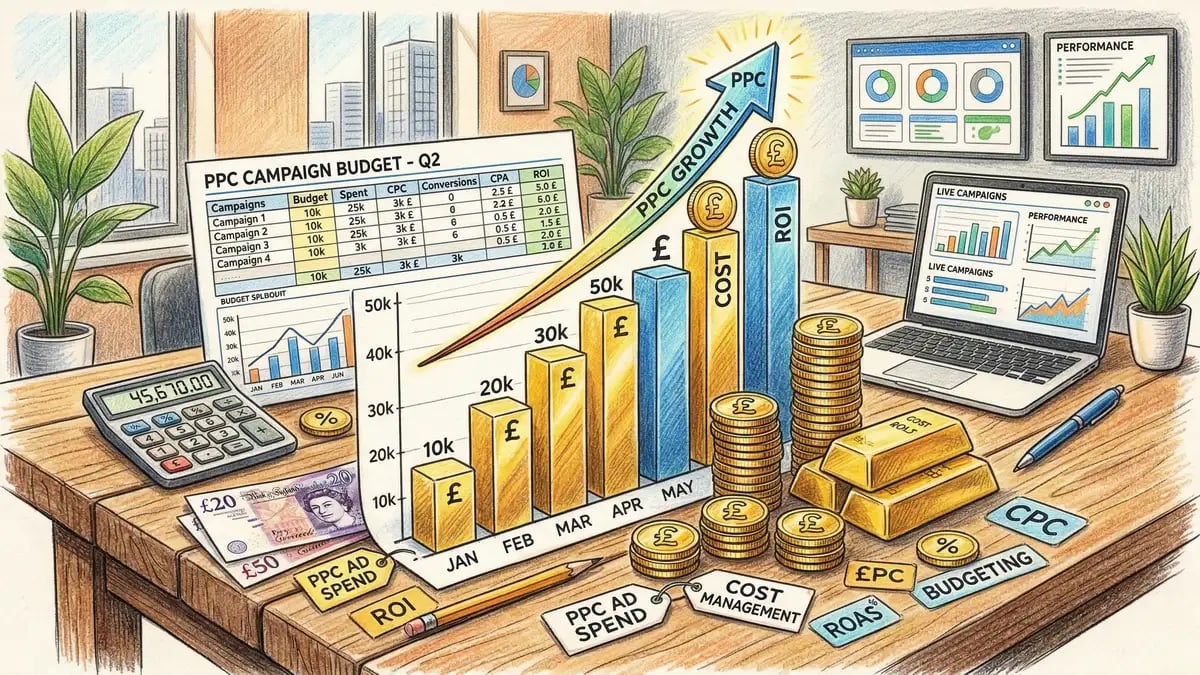
PPC costs vary dramatically by industry, competition level, and keyword intent. Understanding these variations helps UK businesses set realistic budgets and ROI expectations. Industry-specific CPCs in the UK range from £0.93 for e-commerce to £7.13 for legal services, reflecting the significant differences in customer lifetime value and competitive intensity across sectors.
| Industry | Average CPC (UK) | Avg. Conversion Rate |
|---|---|---|
| Legal Services | £5.39-£7.13 | 5.64% |
| Home Improvement | £5.56 | — |
| Dental Services | £5.45 | — |
| B2B Services | £3.00-£6.00 | 5.78% |
| Automotive Repair | — | 12.96% |
| E-commerce | £0.93-£2.08 | — |
| Arts & Entertainment | £1.37 | — |
The 2024 WordStream benchmark study analysing 17,998 campaigns reveals an overall average conversion rate of 6.96% for Google Ads—higher than many marketers assume. However, industry differences prove substantial. Automotive repair leads at 12.96%, followed by animals & pets (12.03%) and physicians & surgeons (11.08%). Conversely, finance & insurance suffered a steep -32.4% decline to just 2.78%, whilst furniture sits at the bottom at 2.53%.
Whitehat's HubSpot integration services help UK businesses track these conversion metrics accurately, connecting PPC performance directly to revenue through proper attribution modelling and CRM integration. Without accurate tracking, you cannot determine true ROI or optimise campaigns effectively.
Setting Your PPC Budget
Budget Setting Guidelines
Minimum viable budget: For Performance Max campaigns, Google recommends daily budgets of at least 1× your target CPA. With UK average cost per lead at £52.58, this means minimum £52.58 per day (£1,577/month) to achieve machine learning effectiveness.
SME typical range: UK small and medium enterprises typically spend £5,000-£9,000 monthly on PPC across all platforms.
Budget allocation: Consider splitting budgets 70-80% to proven platforms (Google, Microsoft) and 20-30% to testing new channels (LinkedIn, Reddit, Amazon) based on your audience demographics.
PPC Best Practices for 2026
PPC best practices have shifted significantly in 2024-2025, driven by AI automation and machine learning maturity. Traditional approaches like single-keyword ad groups and extensive match type segmentation now underperform compared to simplified structures that give AI systems room to optimise.
Account Structure Recommendations
Google's current recommendations emphasise consolidation over segmentation. Move single-keyword ad groups into themed ad groups covering related search intent. Consolidate match types, simplifying to broad match with smart bidding rather than maintaining separate campaigns for exact, phrase, and broad match modifier. Remove device segmentation—segment campaigns based on business objectives (brand vs. generic, product categories, geographic markets) rather than technical factors.
This simplified structure allows machine learning algorithms to find patterns and optimise across larger data sets. Small, highly segmented campaigns prevent AI from gathering sufficient signal to make effective decisions. The automation threshold matters: accounts with fewer than 30 conversions monthly should stick with manual bidding and tighter control, whilst those exceeding 50 monthly conversions benefit significantly from Smart Bidding automation.
Responsive Search Ads Optimisation
Best practices for Responsive Search Ads have evolved considerably. Using all 15 headlines and 4 descriptions is no longer recommended—Google now suggests at least 10 headlines and 3-4 descriptions, ensuring each headline makes sense standalone. Critically, Ad Strength is NOT used by Ad Rank (confirmed by Ginny Marvin, Google Ads Liaison, April 2024), meaning you should optimise for relevance and conversion performance rather than chasing "Excellent" Ad Strength ratings.
Don't Chase Ad Strength — Chase Conversions
Common mistake: Optimising Responsive Search Ads for "Excellent" Ad Strength ratings rather than conversion performance.
Reality: Google Ads Liaison Ginny Marvin confirmed in April 2024 that Ad Strength is NOT used by Ad Rank. Focus on relevant headlines, strong CTAs, and actual conversion data rather than the Ad Strength indicator.
Performance Max Campaign Requirements
- Minimum 6 weeks runtime before judging effectiveness—machine learning requires this duration to optimise properly
- Daily budget of at least 1× your CPA (e.g., £58 CPA = £58/day minimum) to provide sufficient learning budget
- Exclude branded terms from generic Performance Max campaigns to maintain control over brand messaging
- Use "Presence" only for location targeting, not "Presence or interest" which can show ads to users researching your location from elsewhere
- Add audience signals to accelerate learning phase and reduce wasted spend during initial weeks
First-Party Data Strategy
71% of publishers now recognise first-party data as key to positive advertising results (up from 64% in 2024), whilst only 49% of brands say cookies are "essential" to strategy (down from 75% in 2022). As Pauline Jakober, Founder of Group Twenty Seven, notes: "The biggest weapon you have on search versus your competitors is your first-party data. Everyone can advertise on the same keyword, but no-one else has that insight about your customers."
Implementing Customer Match audiences, utilising conversion data for value-based bidding, and feeding CRM data back into advertising platforms creates competitive advantages that competitors cannot replicate. This requires proper integration between your advertising platforms and customer database—work that Whitehat's technical team frequently handles for UK clients.
Looking for expert PPC management?
Explore our pay-per-click management services for UK businesses to optimise your campaigns and drive measurable results.
View PPC ServicesPPC in 2026: Google AI Max, Performance Max evolution, and what's changed
PPC in 2026 looks materially different from 2024. Google AI Max for Search has become Google's fastest-growing AI-powered product, delivering an 18% increase in conversion-bearing query categories and a 19% overall conversion lift for participating advertisers. Performance Max has matured into a default campaign type rather than an experiment: Google now expects a minimum 6-week runtime before evaluation, daily budgets set at 1× target CPA to feed the learning phase, and brand-term exclusion as standard practice to keep generic Performance Max budgets from cannibalising brand search.
Microsoft's response has been Copilot Ads plus Showroom Ads, which graduated from their April 2025 pilot to general availability and now deliver interactive product galleries inside Copilot chat. LinkedIn Accelerate Campaigns — AI-built campaign creation driven by URL and audience inputs — report a 15% efficiency improvement and 52% lower cost per action versus manually built equivalents. Across all three platforms, the direction of travel is the same: machine learning anchors campaign decisions, and human operators feed the signals.
Key Insight: The AI Conversion-Data Divide
Smaller UK businesses with thinner conversion data face a widening gap versus AI-rich large advertisers. The platforms' AI systems need volume to optimise — accounts under 30 conversions a month cannot feed Smart Bidding effectively. The answer is not bigger budgets; it's richer signals. UK SMEs that pipe first-party CRM data (deal stage, lead score, lifetime value) back into Google Ads and LinkedIn close the AI gap without outspending competitors.
Practical implication for 2026: run a structured PPC audit before scaling spend, then connect your advertising platforms to HubSpot or your CRM so conversion values flow back. Whitehat's pay-per-click team builds CRM-integrated PPC stacks for UK B2B and considered-purchase advertisers — anchoring AI bidding to revenue rather than raw form fills.
Measuring PPC Success
PPC measurement has become simultaneously more sophisticated and more challenging. The decline of third-party cookies, iOS privacy changes, and consent management requirements have disrupted traditional attribution models. Modern PPC measurement requires combining multiple data sources and accepting modelled data rather than relying solely on last-click attribution.
Essential PPC Metrics
| Metric | What It Measures | UK Benchmark |
|---|---|---|
| Click-Through Rate (CTR) | Percentage of impressions that result in clicks | Mobile: 2-5%, Desktop: 1-3% |
| Conversion Rate | Percentage of clicks that complete desired action | Average: 6.96% |
| Cost Per Click (CPC) | Average amount paid per click | £0.95 average (industry varies) |
| Cost Per Acquisition (CPA) | Total cost to acquire one customer/lead | £52.58 average |
| Return on Ad Spend (ROAS) | Revenue generated per £1 spent on ads | Varies by industry and margin |
| Quality Score | Google's rating of ad relevance (1-10 scale) | Target 7+ for cost efficiency |
Julie Friedman Bacchini, President of Neptune Moon and Managing Director of #PPCChat, offers perspective on modern attribution: "If we're being honest, attribution has always been a bit of fairy dust and wishes rather than hard data. Getting more comfortable with the fact that things are modelled is something we'll all need to really wrap our heads around heading into 2025. We'll need to change the way we talk about attribution; more as a weighting or contributing factor rather than some absolute piece of data."
Attribution in a Privacy-First World
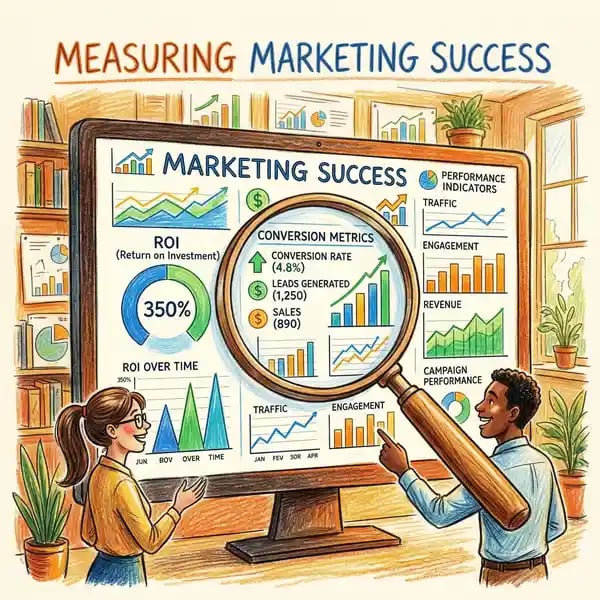
Effective 2025 measurement requires combining three approaches: Marketing Mix Modelling for strategic long-term budget allocation (analyses historical data, accounts for external factors, privacy-safe), Multi-Touch Attribution for real-time campaign optimisation (granular but disrupted by privacy changes), and Incrementality Testing for establishing causal ground truth through test versus control methodology.
No single attribution method provides complete truth. The most sophisticated UK marketers triangulate across multiple data sources: platform reporting (Google Ads, Microsoft Ads), web analytics (GA4), CRM data, and offline conversion tracking. This multi-source approach provides directional confidence even when precise attribution proves impossible.
Frequently Asked Questions About PPC
What does PPC mean?
PPC stands for pay-per-click. In digital advertising, PPC means a model where you pay each time a user clicks your ad — not for impressions, ad placement, or views. UK businesses spend £16.9 billion annually on PPC across Google Ads, Microsoft Advertising, LinkedIn, and other paid-click platforms, making it the dominant performance marketing channel for B2B and considered-purchase audiences.
What is PPC in digital marketing?
PPC in digital marketing refers to paid search, paid social, and paid commerce campaigns where advertisers pay per click rather than per impression or per acquisition. The biggest PPC channels in 2026 are Google Ads (92.57% UK search market share), Microsoft Advertising (B2B-strong with 30-70% lower CPCs), LinkedIn Ads (39% of B2B budgets), Amazon Ads, and emerging platforms like Reddit and TikTok. Whitehat — a HubSpot Diamond Partner — manages multi-platform PPC for UK businesses with CRM-integrated lead attribution.
How much does PPC cost in the UK?
PPC costs vary significantly by industry, with UK averages ranging from £0.95 per click overall to £7.13 for highly competitive legal services keywords. SMEs typically spend £5,000-£9,000 monthly on PPC campaigns, with average cost per lead at £52.58. Your actual costs depend on keyword competition, Quality Score, and target audience specificity.
Is PPC better than SEO for UK businesses?
PPC and SEO serve different purposes and work best together. PPC delivers immediate visibility and precise targeting whilst you pay for results, making it ideal for new product launches, seasonal campaigns, and testing messaging. SEO builds long-term organic presence and typically offers better ROI once established, but requires 6-12 months to show significant results. Most successful UK businesses invest in both.
How long does PPC take to work?
PPC campaigns can start driving traffic within hours of launch, but optimal performance requires time for machine learning. Google recommends minimum 6 weeks runtime for Performance Max campaigns before judging effectiveness. Most campaigns show initial results within 2-4 weeks but continue improving for 60-90 days as AI systems gather conversion data and optimise bidding strategies.
Which PPC platform is best for my business?
Google Ads works for virtually all businesses due to its 92.57% UK market share. B2B companies should also consider Microsoft Advertising (14.4% desktop share, 30-70% lower CPCs) and LinkedIn (39% of B2B ad budgets, precise professional targeting). E-commerce benefits from Amazon Ads, whilst brands targeting younger audiences should explore TikTok. Most UK businesses start with Google then expand based on performance and audience demographics.
How do I measure PPC success?
Essential PPC metrics include conversion rate (UK average 6.96%), cost per acquisition (£52.58 average), and return on ad spend (ROAS). Track Quality Score (target 7+ for cost efficiency), click-through rate relative to industry benchmarks, and ultimately revenue generated versus advertising spend. Proper measurement requires connecting PPC platforms to your CRM or analytics platform for accurate attribution—something Whitehat helps UK businesses implement through HubSpot integration.
Getting Started with PPC for Your UK Business
The UK PPC landscape in 2025 offers substantial opportunity for businesses willing to embrace AI automation whilst maintaining strategic control. With £16.9 billion flowing into search advertising annually and growth rates exceeding 12%, competition remains intense but rewards go to advertisers who combine platform expertise with robust measurement and continuous optimisation.
Success requires moving beyond outdated tactics like single-keyword ad groups and exact match obsession. Modern PPC demands simplified structures that give AI room to optimise, first-party data strategies that create competitive moats, and multi-platform approaches that capture audiences across Google, Microsoft, LinkedIn, and emerging channels like Reddit.
Whether you're launching your first PPC campaign or optimising existing accounts, Whitehat's PPC specialists help UK businesses navigate this complex landscape. From account structure and bid strategy to conversion tracking and attribution modelling, our team combines technical expertise with strategic thinking to deliver measurable results. Contact us to discuss how PPC can drive qualified leads and revenue growth for your business.
Ready to Put PPC to Work for Your Business?
Whitehat SEO connects every click to actual revenue through HubSpot CRM integration. Whether you're launching your first campaign or optimising existing accounts, our PPC specialists deliver measurable results.
References and Sources
- IAB UK. (2024). Digital Adspend UK 2024. https://www.iabuk.com/research
- WordStream. (2024). Google Ads Benchmarks for Your Industry. https://www.wordstream.com/blog/ws/2024/07/10/google-ads-benchmarks
- Advertising Association & WARC. (2024). Advertising Expenditure Forecast. https://www.warc.com
- Google Ads Help. (2025). About Performance Max Campaigns. https://support.google.com/google-ads/answer/10724817
- Microsoft Advertising. (2024). Microsoft Advertising Platform Updates. https://about.ads.microsoft.com/en-gb/blog
- LinkedIn Marketing Solutions. (2024). B2B Advertising Benchmarks. https://business.linkedin.com/marketing-solutions
- Dreamdata. (2024). B2B Marketing Benchmarks Report. https://dreamdata.io/blog/b2b-benchmarks
- Search Engine Land. (2024). PPC News and Trends. https://searchengineland.com/library/channel/ppc
- UK Search Awards. (2024). Winners List. https://www.uksearchawards.com
Part of our PPC management guide series. See the complete PPC management guide for campaign structure, bidding strategies, and ROI measurement frameworks.
Clwyd Probert
Founder & Managing Director, Whitehat SEO
Clwyd Probert is the founder and managing director of Whitehat SEO, a HubSpot Diamond Solutions Partner based in London. With over 15 years in digital marketing, Clwyd specialises in helping B2B businesses build pipeline through integrated SEO, AEO, and HubSpot strategies.